Designing for Silence: The New Architecture of Calm
Why the world's best architects are prioritizing acoustic comfort
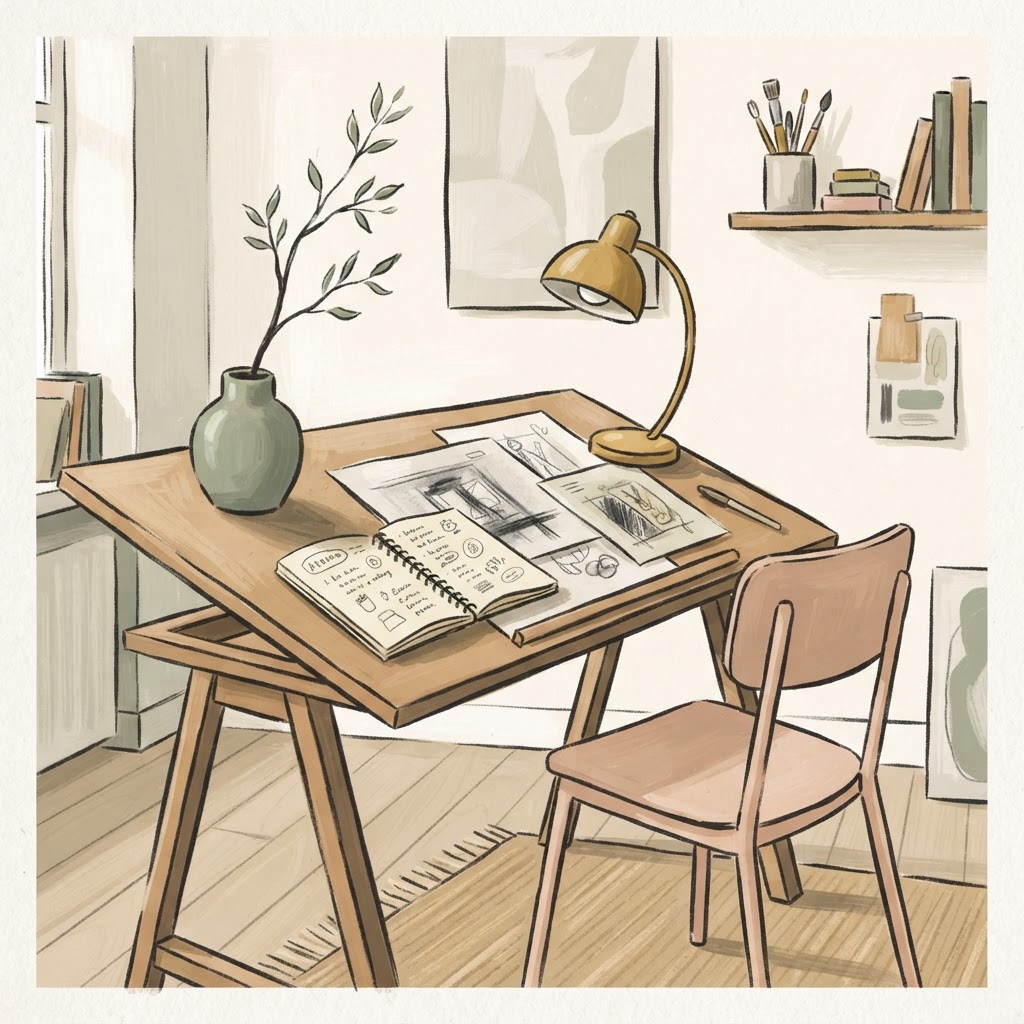
"A truly quiet room is unsettling. What we want is the right kind of quiet — space for thought, punctuated by natural rhythm."
Peter Zumthor once described architecture as "the art of creating atmosphere." In an age of constant noise — literal and metaphorical — a growing number of designers are taking this mandate to its logical conclusion: buildings designed not just for the eye, but for the ear.
The Noise Problem
The World Health Organization has called noise pollution the second-largest environmental health risk in Europe, after air quality. Urban noise levels have increased by 30% in the past two decades, driven by traffic, construction, and the ambient hum of mechanical systems.
But the solution isn't simply silence. It's considered sound design.
"A truly quiet room is unsettling. What we want is the right kind of quiet — space for thought, punctuated by natural rhythm."
Case Studies in Calm
The Therme Vals spa in Switzerland, designed by Zumthor himself, uses stone, water, and careful spatial planning to create an acoustic environment where whispers carry and footsteps echo softly. The building doesn't eliminate sound; it curates it.
In Tokyo, Kengo Kuma's Nezu Museum uses bamboo screening and gravel gardens to create a gradient of sound from the busy Omotesando avenue to the contemplative interior galleries. The transition is so gradual that visitors often don't notice it consciously — they simply feel calmer.
Bringing Calm Home
The principles of acoustic design are surprisingly accessible: heavy curtains, bookshelves as sound buffers, natural materials that absorb rather than reflect. The goal is not to seal yourself off from the world, but to create spaces where you choose what you hear.

Advertisement
Related Stories

The New Materiality: Why Designers Are Returning to Earth
From rammed earth to mushroom leather, natural materials are reshaping contemporary design

Living with Less: The Radical Minimalism of Studio Mumbai
How one architecture practice proves that constraint is the mother of invention
Newsletter
The Northline Letter
A weekly curation of our best essays, quiet recommendations, and things worth your attention. No spam, no noise — just good writing delivered every Thursday.