The New Materiality: Why Designers Are Returning to Earth
From rammed earth to mushroom leather, natural materials are reshaping contemporary design
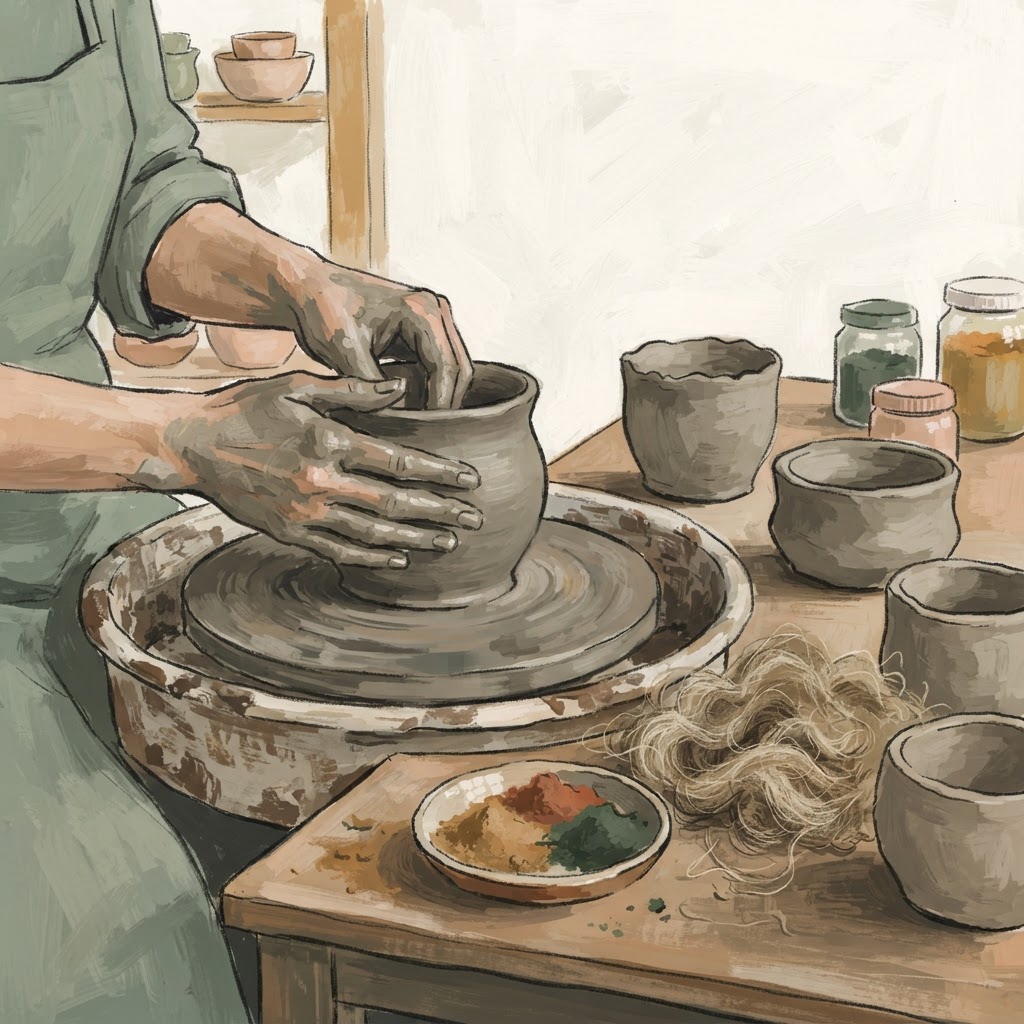
"The most radical material choice a designer can make today is to use something that already exists in nature."
The most talked-about material at this year's Milan Design Week wasn't carbon fiber or engineered polymer. It was mud.
Specifically, rammed earth — an ancient building technique that compresses layers of soil into solid walls. Studio Mumbai's installation used it to create a pavilion that was simultaneously archaic and contemporary, its stratified layers reading like geological time made visible.
A Material Reckoning
The design world is undergoing what critic Alice Rawsthorn calls "a material reckoning." After decades of celebrating the synthetic and the engineered, there is a renewed fascination with materials that grow, decay, and carry the marks of natural processes.
"The most radical material choice a designer can make today is to use something that already exists in nature."
Beyond Sustainability Theater
This isn't just sustainability theater — though the environmental case is compelling. Natural materials often require less energy to produce, sequester carbon during growth, and biodegrade at end of life. But the movement goes deeper than lifecycle analysis.
Designers are drawn to natural materials for their aesthetic qualities: the warmth of wood grain, the texture of stone, the way light passes through hand-blown glass differently than through machine-made equivalents.

Advertisement
Related Stories
Designing for Silence: The New Architecture of Calm
Why the world's best architects are prioritizing acoustic comfort
Living with Less: The Radical Minimalism of Studio Mumbai
How one architecture practice proves that constraint is the mother of invention
Newsletter
The Northline Letter
A weekly curation of our best essays, quiet recommendations, and things worth your attention. No spam, no noise — just good writing delivered every Thursday.