The New Pasta Renaissance
How a generation of chefs is rethinking Italy's most democratic food
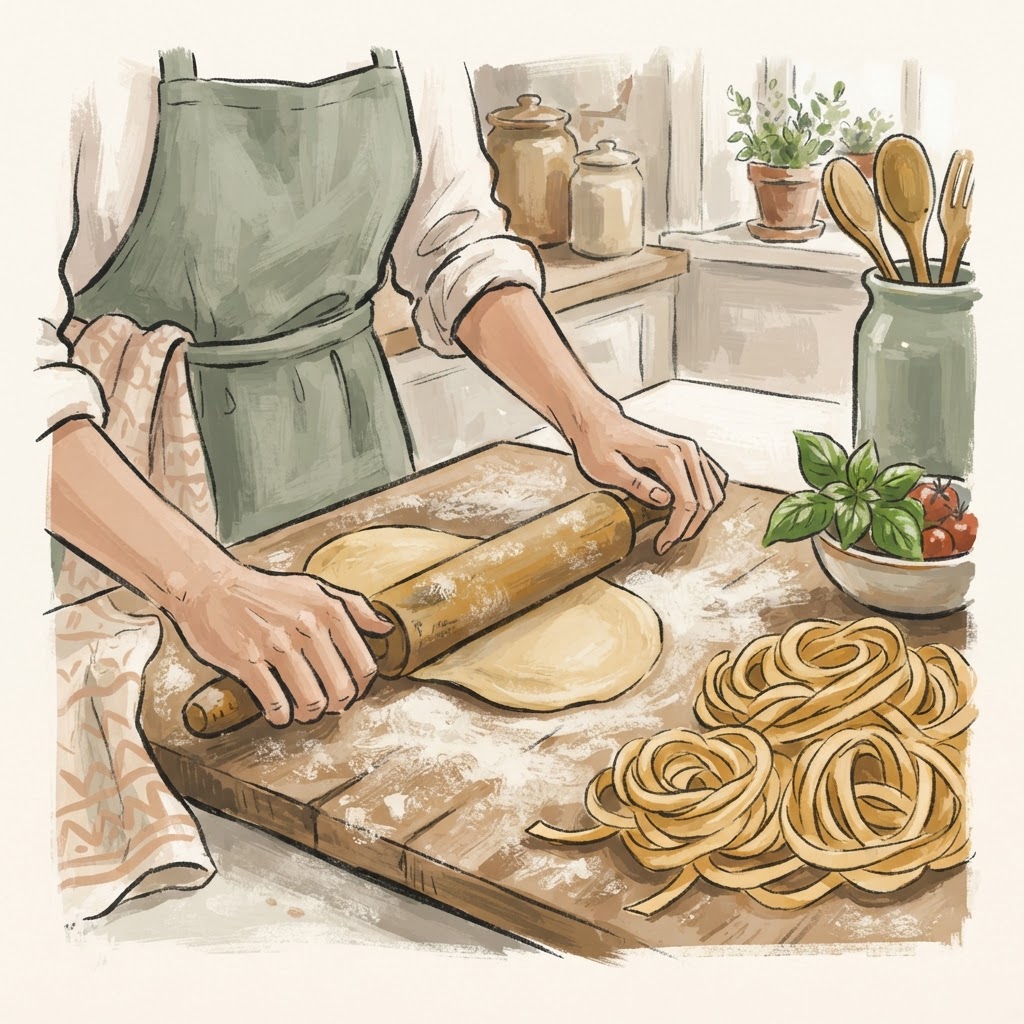
"Pasta is the world's most democratic food. It belongs to everyone who takes it seriously."
In a basement kitchen in Brooklyn, a 28-year-old chef is hand-rolling pasta shapes that have no name.
Rina Matsumoto trained in Bologna, apprenticed in Puglia, and now makes noodles that owe as much to her Japanese heritage as to her Italian education. Her signature dish — a miso-butter cacio e pepe with hand-pulled noodles — would horrify a Roman traditionalist and delight anyone with a functioning palate.
Tradition as Starting Point
The new pasta renaissance is not about abandoning tradition. It's about using tradition as a foundation rather than a ceiling.
"Pasta is the world's most democratic food. It belongs to everyone who takes it seriously."
The Flour Revolution
Behind the scenes, a quieter revolution is happening in flour. Heritage grain varieties — emmer, einkorn, khorasan — are being revived by small-scale farmers and millers.
These ancient grains produce flour with more flavor, more nutrition, and more character than modern commodity wheat. They're also harder to work with, which is part of the appeal for chefs who see difficulty as a feature rather than a bug.

Advertisement
Newsletter
The Northline Letter
A weekly curation of our best essays, quiet recommendations, and things worth your attention. No spam, no noise — just good writing delivered every Thursday.