The Sourdough Diaries: A Baker's Year in Flour
One woman's obsessive, transformative journey into the world of wild-fermented bread
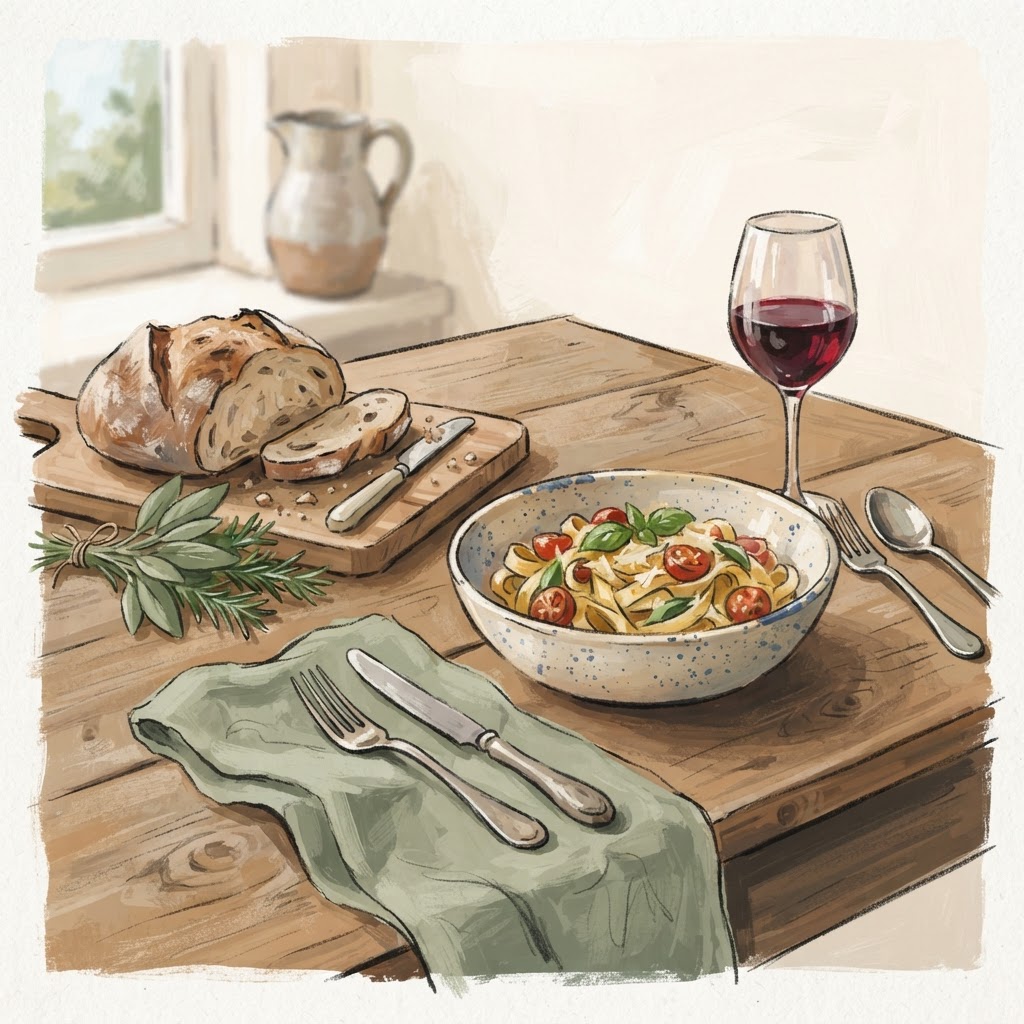
"Bread is the oldest conversation between humans and microbes. We've just forgotten how to listen."
It started, as these things often do, with a failure.
My first sourdough loaf emerged from the oven looking less like bread and more like a geological event — dense, cratered, and vaguely hostile. I photographed it anyway, the way you photograph a disaster for insurance purposes.
That was January. By December, I had baked 247 loaves, maintained a starter named Gladys through a cross-country move, and developed what my partner diplomatically calls "a relationship with flour."
The Science of Waiting
Sourdough is, at its core, an exercise in patience. Unlike commercial yeast, which delivers reliable results in a few hours, wild fermentation operates on its own schedule. A starter is a living ecosystem of lactobacilli and wild yeast, each culture as unique as a fingerprint.
"Bread is the oldest conversation between humans and microbes. We've just forgotten how to listen."
The variables are endless: ambient temperature, humidity, flour protein content, hydration ratio, fermentation time. Professional bakers spend years developing intuition for these factors. I spent months developing anxiety.
Finding the Rhythm
The breakthrough came not from a new technique but from a shift in perspective. I stopped trying to control the process and started observing it. The dough would tell me what it needed — more time, less handling, a warmer spot, a cooler rest.
This is the secret that sourdough evangelists struggle to articulate: the practice changes you more than you change the bread.

Advertisement
Newsletter
The Northline Letter
A weekly curation of our best essays, quiet recommendations, and things worth your attention. No spam, no noise — just good writing delivered every Thursday.