A Love Letter to Neighborhood Bookshops
In an age of algorithms, the curated shelf remains an act of radical generosity
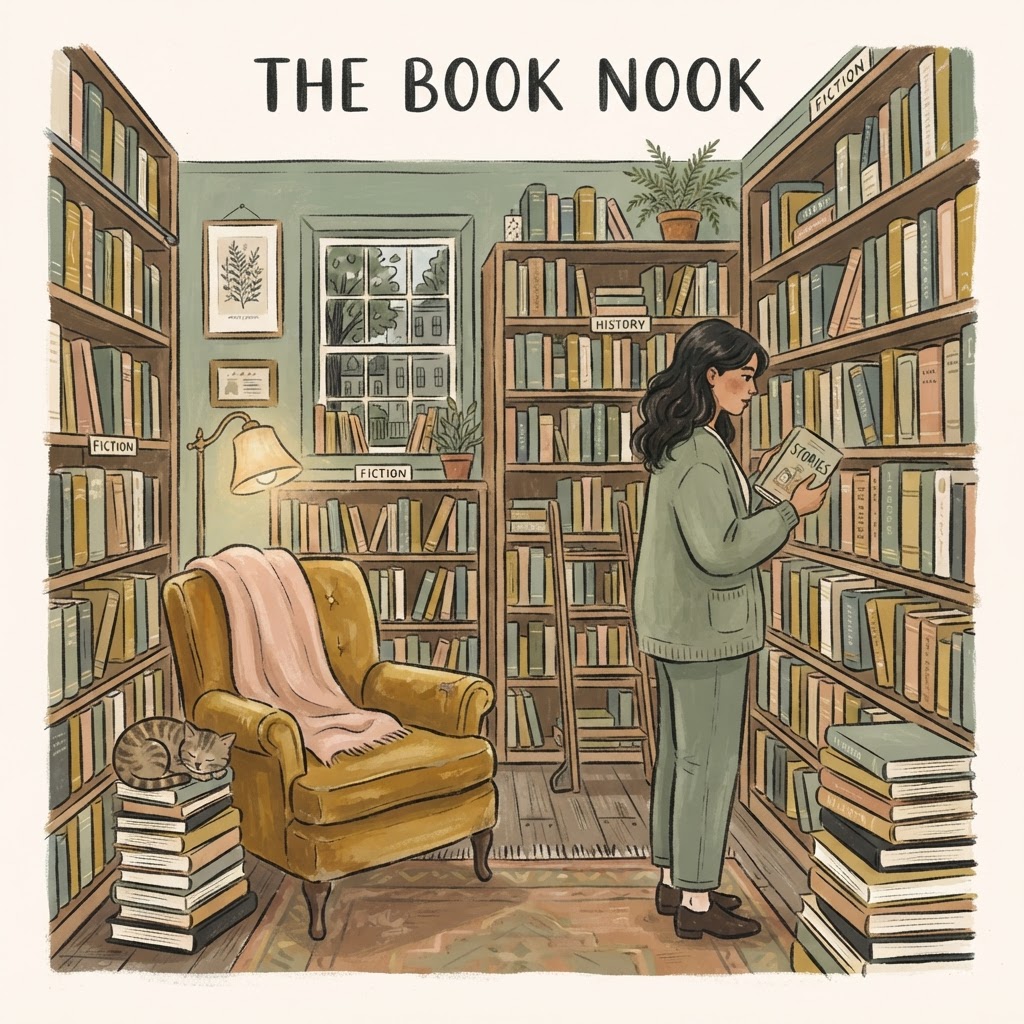
"A good bookshop is not a warehouse of books. It is a portrait of a mind."
There is a bookshop in Lisbon's Alfama district that has no website, no social media presence, and no particular interest in acquiring either.
Livraria do Simão occupies a space roughly the size of a generous closet. Its owner, Simão, curates the inventory with the precision of a museum director and the stubbornness of a mule. He does not stock bestsellers. He does not offer discounts. He will, however, spend forty-five minutes helping you find exactly the right book for a friend going through a difficult time.
"A good bookshop is not a warehouse of books. It is a portrait of a mind."
The Curation Economy
In an era where every book ever published is available with a single click, the physical bookshop should be obsolete. Instead, independent bookstores are experiencing a global resurgence.
The reason is curation. An algorithm can tell you what people like you have bought. A bookseller can tell you what you didn't know you needed.
More Than Commerce
The best bookshops are community infrastructure — spaces for readings, conversations, chance encounters. They are, in the sociologist Ray Oldenburg's term, "third places" — neither home nor work, but essential gathering points for civic life.

Advertisement

Newsletter
The Northline Letter
A weekly curation of our best essays, quiet recommendations, and things worth your attention. No spam, no noise — just good writing delivered every Thursday.