The Quiet Revolution of Slow Cities
How a movement born in Italy is redefining what it means to live well
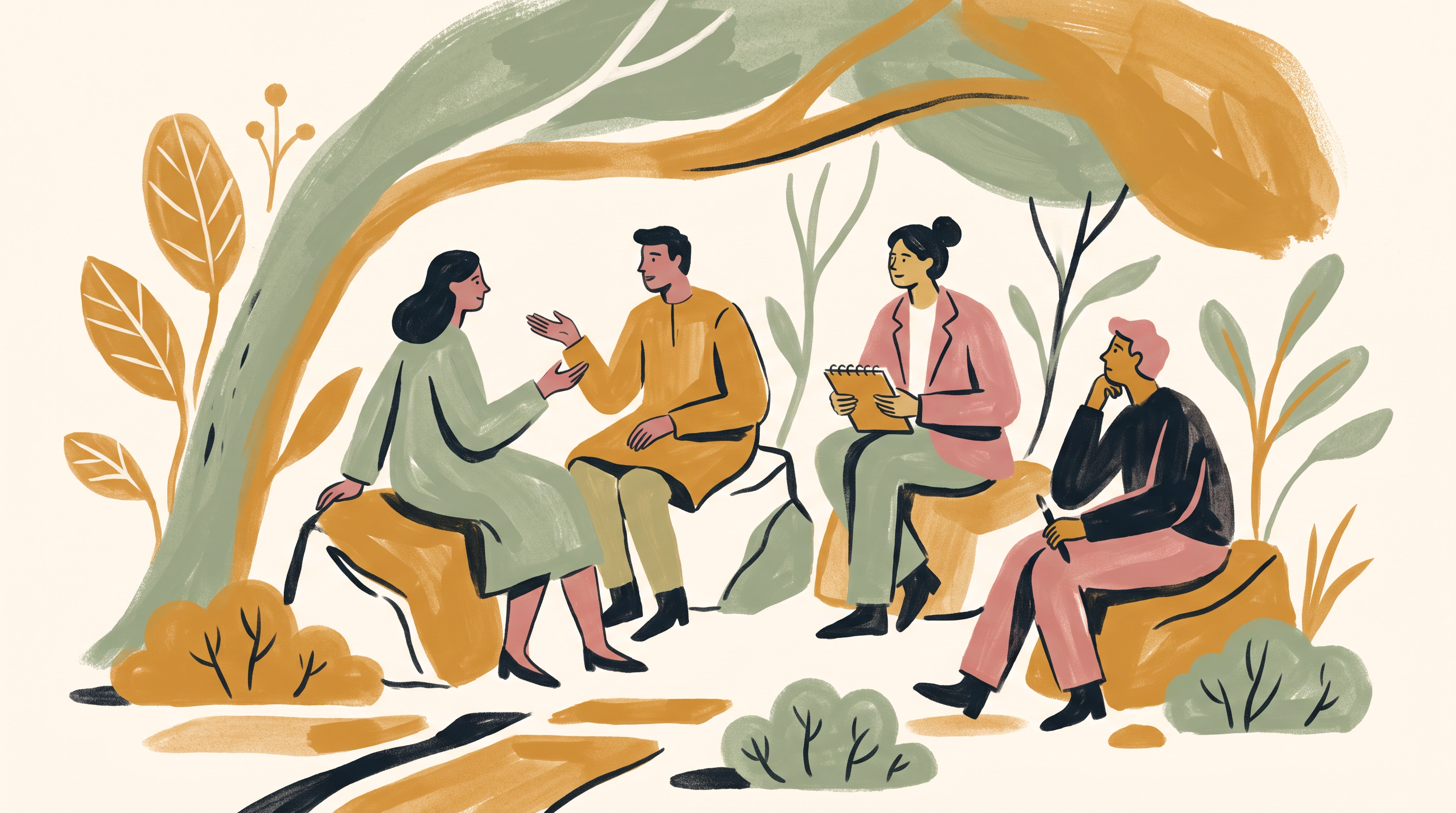
"We are not anti-modern. We are asking a different question: modern for whom?"
In the hill towns of Umbria, something is shifting. Not with the urgency of a political movement or the noise of a tech disruption, but with the deliberate pace of bread rising in a stone oven.
The Slow City movement — Cittàslow in Italian — began in 1999 as a response to the creeping homogenization of urban life. Founded in Orvieto by four Italian mayors, it proposed a radical idea: that a city's worth could be measured not by its GDP or growth rate, but by the quality of life it offered its residents.
A Different Measure of Progress
Today, more than 280 cities across 30 countries carry the Cittàslow designation. Each has committed to a charter of over 70 pledges covering everything from noise pollution to local food systems, from green spaces to digital infrastructure.
"We are not anti-modern," says Paolo Saturnini, one of the movement's founders. "We are asking a different question: modern for whom?"
The answer, increasingly, is for everyone. As remote work untethers millions from city centers, the appeal of places designed around human rhythm rather than economic throughput has never been stronger.
What Slow Actually Means
Contrary to popular assumption, slow cities are not frozen in time. Many are leaders in renewable energy, digital connectivity, and innovative governance. What distinguishes them is intentionality — every development decision is filtered through a lens of community wellbeing.
In Greve in Chianti, the town square still hosts a weekly market where farmers sell directly to residents. In Sedgemoor, England, a network of walking paths connects schools, shops, and homes without requiring a car. In Jeonju, South Korea, traditional hanok villages coexist with contemporary art spaces and startup incubators.
The Lessons for Everywhere
You don't need a Cittàslow certification to apply these principles. The movement's greatest contribution may be its framework for asking better questions about the places we inhabit: Does this street invite walking? Does this policy support local makers? Does this building honor the landscape it sits in?
These are not nostalgic questions. They are urgent ones.

Advertisement
Related Stories


Newsletter
The Northline Letter
A weekly curation of our best essays, quiet recommendations, and things worth your attention. No spam, no noise — just good writing delivered every Thursday.